18 · Conditional Surgical Video Generation
Conditional video generation produces surgical clips from text, images or their combination. This text-to-video example reverses the pairing used in Surgical Video Captioning: the description becomes the condition and the video becomes the target.
Input and output: A text description of surgical activity → a matching video clip.
Source data and labels: Video paired with a description. The original short label is “right suction-irrigator aspirates blood on tissue.” The completed description also captures movement and withdrawal.
Construction method: Take the clip-level description as the generation condition and the original footage as the supervision target. Video captioning maps video → text; this task maps text → video.
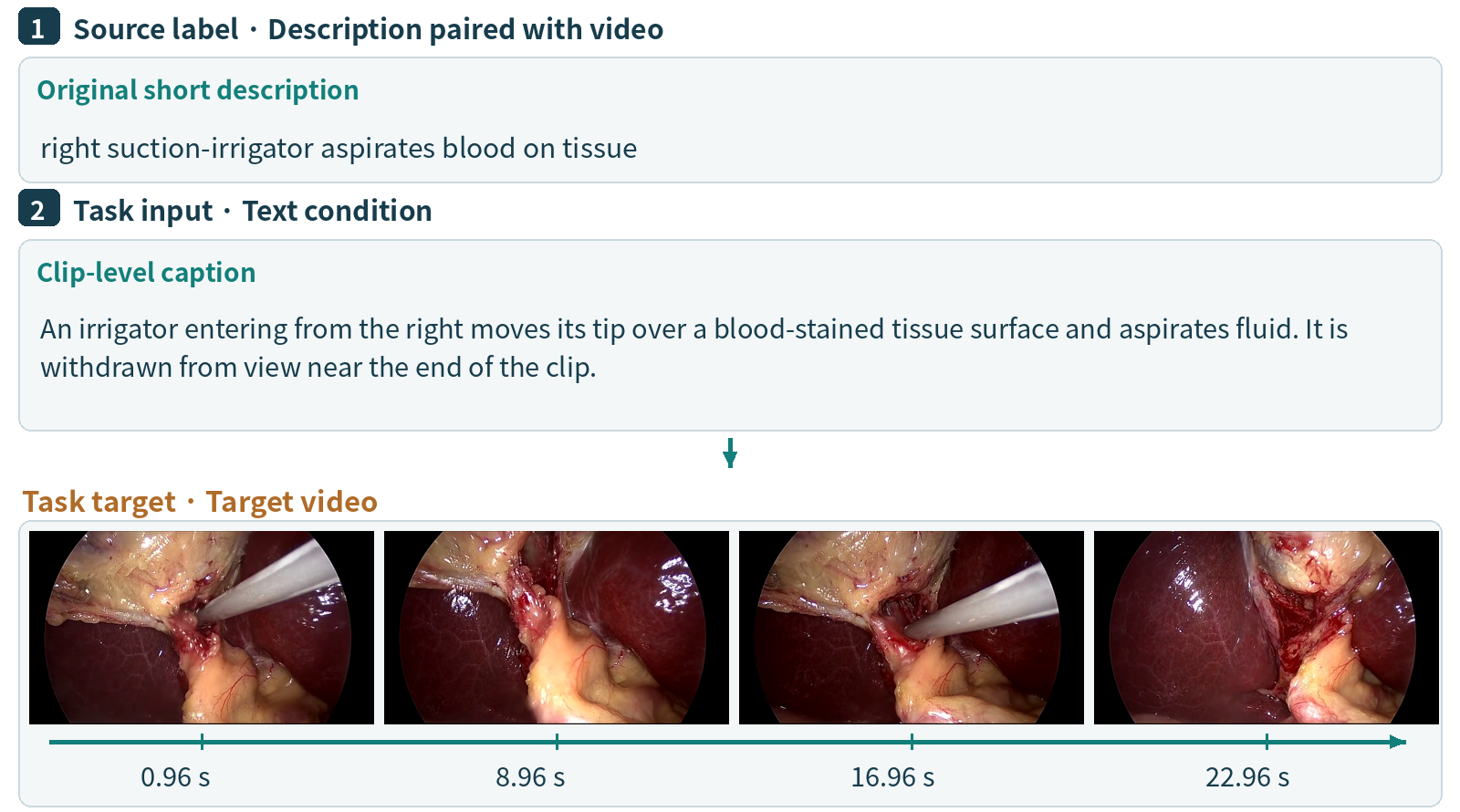
Figure 7. A video–description pair supplies the generation condition and target. The images show successive moments of the target video.
Example instruction: Generate a surgical video matching: “An irrigator entering from the right moves its tip over a blood-stained tissue surface and aspirates fluid. It is withdrawn from view near the end of the clip.”
Target output: Watch the target video.